Μοίρασε το ποσό σε 4 άτοκες δόσεις των 7,97€/μήνα με Snappi Pay Later
Περισσότερα
20€ Public επιστροφή στο Wallet, με την 1η αγορά σου με Snappi Pay Later.
Αναλυτική Περιγραφή
In the beginning
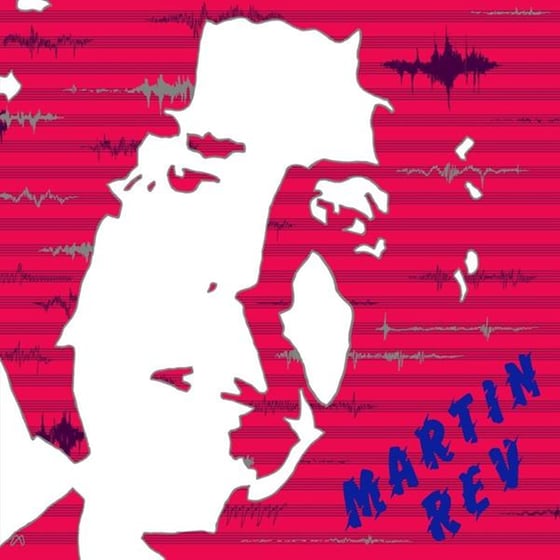
Martin Rev‘s eponymous debut solo record was released in 1980, not long after the second
Suicide LP appeared. It is one of the most seminal albums to have emerged in the early years
of electronic music.Martin Rev recalls the circumstances surrounding the creation of his solo disc:
»At that time, soon after the release of the first Suicide album, Marty Thau (founder of Red Star
Records) asked me if we could do a solo record. It was decided by all of us that it might be too soon,
even though Marty was thinking of an instrumental album as well.I knew Charles Ball quite well - his new label Lust/Unlust had, until then, only put out singles and
EPs. One night, I went into an empty CBGB's, I had a feeling that he might be there and would
approach me on the idea. He was, and he came right over to me and asked me if I would make an
album, his first on the label.«The tension between his hypnotic drum machine salvoes and Alan Vega‘s irrepressibly expressive
voice on stage or in the studio created an electrifying mix, and yet these six supremely minimal
compositions were no less impactful without Vega’s voice.There is an enchanting simplicity to the beautiful bubblegum melodies of the opening pieces "Mari"
and "Baby Oh Baby" (the only track with a Rev vocal, everything else is instrumental). Like a
clandestine heart, embedded in dissonant textures and infinite rhythm loops, echoing the doo-wop
and rock 'n' roll songs at the tempestuous epicentre of New York, the place which had such a
profound influence on the youthful Martin Rev, there is also an incongruousness to Rev’s own music,
etched into the DNA he shares with the city.Rev describes his perpetual fascination with this distinctive sound:
»I guess rhythm and linear ideas made with electronics are the ingredients that are always there in
expressing a personal reaction to what instinctively makes music work for me. Everything
experienced, learned and studied at the time of playing or recording just flows into the mix.«Above all, there’s a sense that Suicide’s records and the solo works of Martin Rev could not be any
more different to those of their European contemporaries such as Kraftwerk, Tangerine Dream or
Jean-Michel Jarre. If this is music as dystopian psychedelia, it glows nevertheless with substantial
warmth. Sounds grab you instantaneously and, by virtue of endless repetition, never let you go.Rev‘s 1980 debut thus offers us something of great value: an insight into the beginnings of an
impressive solo career which would play such an important role in the development of successive
generations of artists. It is as enthralling today as it was when it first appeared.
- Daniel Jahn, July 2023