
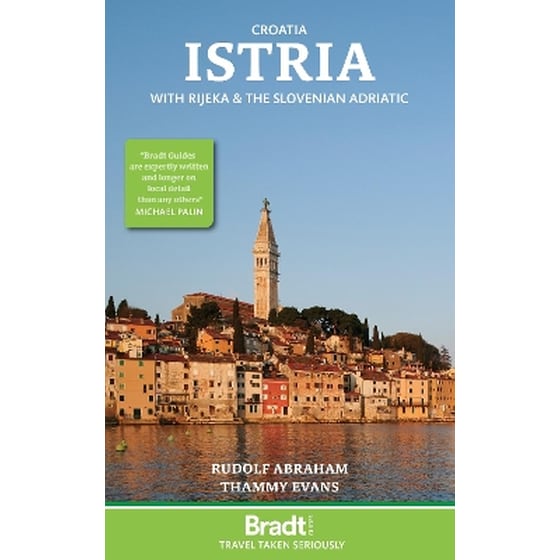
Σύνοψη βιβλίου
Written by two Croatia experts, this new,
thoroughly updated third edition of Bradt's Croatia: Istria, with Rijeka and
the Slovenian Adriatic remains the only full-length guide to this well-heeled,
varied part of former Yugoslavia to include detailed background and practical
information. Catering for all types of travellers (from outdoors enthusiasts to
culture vultures, foodies to oenophiles) and budgets, the guide offers revised
listings for accommodation, restaurants, and what to see and do.
Istria crams remarkable diversity in a
conveniently compact region: it takes under an hour to drive almost anywhere on
the peninsula. The region boasts some of Croatia's most famous sites, including
Pula's spectacular Roman amphitheatre, Porec's UNESCO-listed Byzantine mosaics
(every bit as good as Italy's Ravenna and Istanbul's Aya Sofya), picturesque
medieval hill towns (such as Motovun and Draguc) and frescoes, and the Brijuni
Islands National Park. In 2020, the transport hub and carnival city of Rijeka in
the Kvarner region became Croatia's first ever European Capital of Culture.
Istria is renowned for its cuisine, particularly
pasta, game, seafood and truffles (until recently Istria held the world record
for the world's largest truffle), and also produces fine wine and world-class
olive oil. There is plenty of pampering on offer, too, with luxury and boutique
hotels, excellent restaurants and inexpensive spa treatments. Istria makes a
great base to explore nearby Capodistria on Slovenia's coast, and karst
limestone areas with beautiful and uncrowded coastal towns, castles, Lipizzaner
horses and the UNESCO-listed Skocjan cave.
New or expanded coverage in this edition include
advice and information on the Vivapa Valley, Slovenian wines, recently opened
hotels, travelling to Istria by rail, and vegetarian or vegan restaurants. With
extensive sections on trekking, cycling (including the Parenzana long-distance
cycling route) and diving, plus information on windsurfing, paragliding, wreck
diving (including sites such as the Coriolanus and the Baron Gautsch) and
sailing, and detail on wildlife (30 species of orchid grow on Cape Kemenjak
alone), numerous festivals (including celebrations of film, fish, truffles and
prosciutto), music, travelling with children and ancient history, this Bradt
guide provides everything you need to plan and enjoy a visit.
