


79,89€
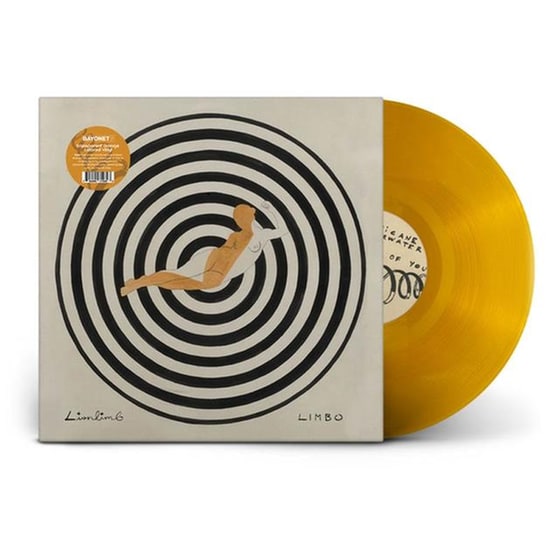
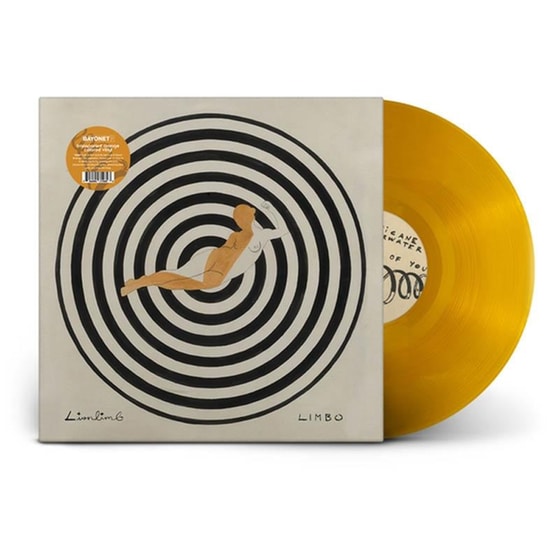
Limbo (Transparent Orange Vinyl)

29 ,90€
Καλλιτέχνης Lionlimb
EAN 0794094719893
Τύπος Vinyl (LP)
Έτος Παραγωγής 2024
Μορφή άλμπουμ Full Album
Δες όλα τα χαρακτηριστικά
Limbo (Transparent Orange Vinyl)
ΚΩΔΙΚΟΣ: 1929053
29 ,90€
Επιλογές παράδοσης
Βάλε ΤΚ
Σε BOX NOW Locker Τρι 04/08 - Παρ 07/08
2,00€
ή ΔΩΡΕΑΝ με Public+ delivery
Σε κατάστημα Public
ΔΩΡΕΑΝ
Στον χώρο σου Τρι 04/08 - Παρ 07/08
Άτοκες δόσεις με ή χωρίς πιστωτική
Αναλυτική Περιγραφή
Through his project Lionlimb, New York-based singer/songwriter/producer Stewart Bronaugh
crafts unfurling soundscapes that feel mysterious and otherworldly, yet timeless and nostalgic
at the same time. He presents his most ambitious vision of these inner vistas on his new album,
Limbo, arriving May 24th on Bayonet Records. Inspired by a palette of ‘70s Italian film
soundtracks, ‘60s girl group music, and funk and soul ballads, Bronaugh brings these
influences together to invent an immersive sound all his own—with help from close collaborator
Joshua Jaeger, whose live drums bring a rawness to Limbo’s meticulously layered production.Led by the smoldering single “Dream of You,” featuring Angel Olsen, Limbo taps into universal
themes of romance, longing, and loss, while still offering a hazy escape from our present reality.
Bronaugh penned the songs with “classic” songwriting in mind, transforming his personal
struggles with grief and addiction into love songs. Using images inspired by nature (like the
sun, moonlight, hurricanes, and deep water), he expresses being overtaken by a force greater
than himself, as the psychedelic production evokes a sense of being plunged into this vast
landscape. Limbo benefits from its eclectic influences, as Bronaugh overlays sitar-sounding
guitar on top of funky basslines, melodramatic string arrangements, and fuzzed out guitar,
making for music that could easily belong on Twin Peaks just as much as a Western cowboy
film.An album of duets, Limbo features a host of female vocalists—Angel Olsen, Ewa Synowiec,
Justine Orrall, Bri Abram, Zoey Huynh, and Taylor Belle—who each add a textural counterpoint
to Bronaugh’s understated vocal performance. “I think about vocals as just another instrument,”
he explains. “When we first tried to have someone else sing, I liked it, because I felt more akin
to a producer than a songwriter.” There’s a dreamy quality to how these singers trade off with
Bronaugh, both parties expressing his inner emotions.Limbo is a culmination of Bronaugh’s years of production experience, as he composed,
produced, and mixed the project almost entirely by himself, with additional recording from
Robin Eaton. Always inspired to make bold and experimental choices that capture his instincts
in the moment, Bronaugh’s production style is informed by “wanting to do the weird thing that
engineers wouldn’t approve of,” as he describes it. “My favorite part of making music is the
mistakes.
Χαρακτηριστικά
Track list
Μαζί με αυτό, οι περισσότεροι αγοράζουν
Άλλοι πελάτες είδαν επίσης
29 ,90€