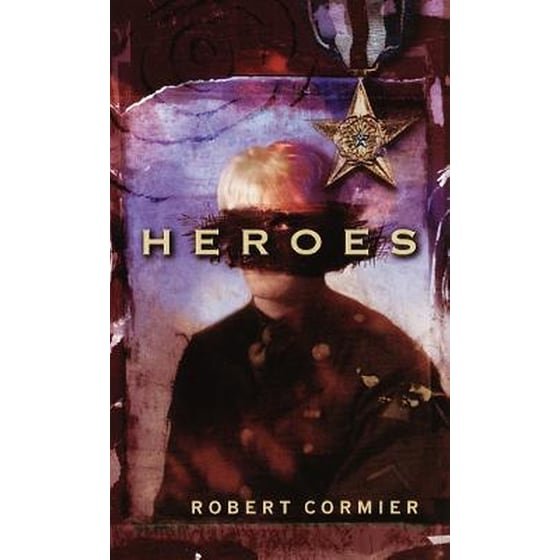
In Robert Cormier’s unforgettable novels, an individual often stands alone, fighting for what is right–or just to survive–against powerful, sinister, and sometimes evil people. His books look unflinchingly at tyranny and the abuse of power, at treachery and betrayal, at guilt and forgiveness, love and hate, and the corruption of innocence. Cormier’s gripping stories explore some of the darker corners of the human psyche, but always with a moral focus and a probing intelligence that compel readers to examine their own feelings and ethical beliefs.
The questions that follow are intended to spur discussion and to provoke thoughtful readers to contemplate some of the issues of identity, character, emotion, and morality that make Cormier’s books so compelling.
Introduction
Eighteen-year-old Francis Joseph Cassavant has just returned home from World War II, and he has no face. He does have a gun and a mission: to murder his childhood hero.
Questions and Topics for Discussion
1. The title of this novel could be meant ironically. In other words, this may be a book about “heroes” who are not true heroes. How many examples of such non-heroes do you see in the book?
2. The book begins with Francis’s shocking statement that he “has no face.” In the context of the story, what are other metaphorical expressions about “face” that are relevant? How do these apply to Francis?
3. What is your definition of a hero? Francis feels that he is “a fake.” When he threw himself on the grenade it was not to save his comrades but to end his own life. Is a heroic act still heroic even if it’s done for the wrong reasons?
4. Francis says about the bombing of Pearl Harbor on December 7, 1941, “We had discovered in one moment on a Sunday afternoon that the world was not a safe place anymore.” (p. 79) What was the significance of that event for America? What happened as a result?
5. Forgiveness is a major theme in many of Cormier’s novels. Trace how each of the three main characters forgive and are forgiven, and how they are affected when forgiveness is withheld and when it is granted. Which is harder–to forgive someone else or yourself?