


Chris J. Vargo
Συγγραφέας:
Εκδότης:
ISBN:
9781032846309
Εξώφυλλο:
Μαλακό εξώφυλλο
Διαστάσεις:
15 x 23 cm
Αριθμός Σελίδων:
134
Ημερ/νία έκδοσης:
02/12/2024
Γλώσσα Γραφής:
Αγγλικά
Βάρος βιβλίου:
0.267 kg


Δες όλα τα χαρακτηριστικά

Περισσότερες επιλογές δόσεων
Η επιλογή γίνεται στο checkout
Επιλογές παράδοσης
Βάλε ΤΚ

Σύνοψη βιβλίου
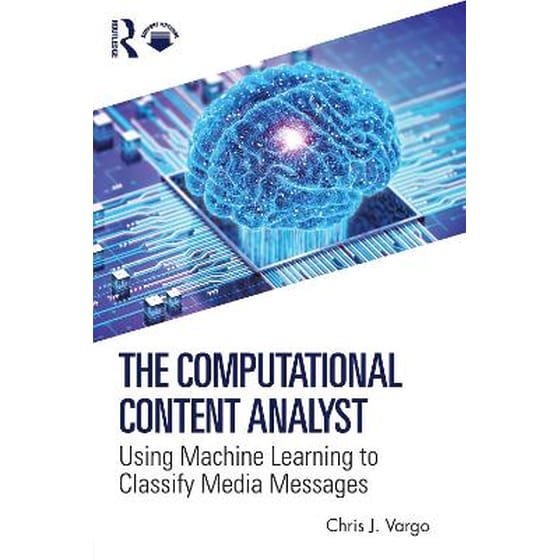
Most digital content, whether it be thousands of news articles or millions of social media posts, is too large for the naked eye alone. Often, the advent of immense datasets requires a more productive approach to labeling media beyond a team of researchers. This book offers practical guidance and Python code to traverse the vast expanses of data—significantly enhancing productivity without compromising scholarly integrity. We’ll survey a wide array of computer-based classification approaches, focusing on easy-to-understand methodological explanations and best practices to ensure that your data is being labeled accurately and precisely. By reading this book, you should leave with an understanding of how to select the best computational content analysis methodology to your needs for the data and problem you have.
This guide gives researchers the tools they need to amplify their analytical reach through the integration of content analysis with computational classification approaches, including machine learning and the latest advancements in generative artificial intelligence (AI) and large language models (LLMs). It is particularly useful for academic researchers looking to classify media data and advanced scholars in mass communications research, media studies, digital communication, political communication, and journalism.
Complementing the book are online resources: datasets for practice, Python code scripts, extended exercise solutions, and practice quizzes for students, as well as test banks and essay prompts for instructors. Please visit www.routledge.com/9781032846354.
Χαρακτηριστικά
Βιογραφία συγγραφέα