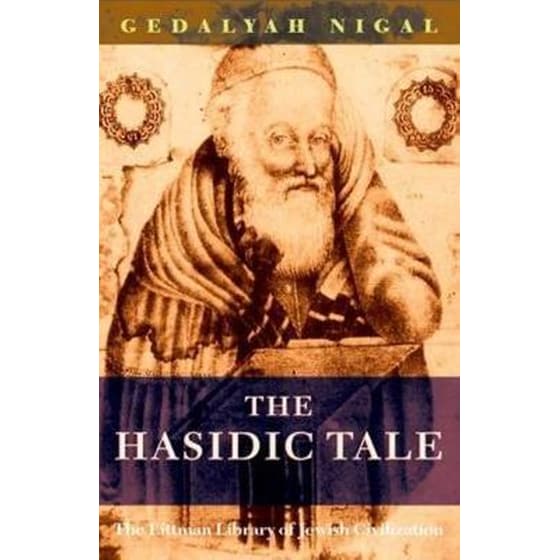
Σειρά βιβλίου The Littman Library of Jewish Civilization
Αριθμός Σελίδων 392
Διαστάσεις 23x2x16
Δες όλα τα χαρακτηριστικά
The Hasidic Tale
ΚΩΔΙΚΟΣ: 1005235
Εξαντλήθηκε
28 ,99€
Σύνοψη βιβλίου
Story-telling
has been an integral part of the hasidic movement from its very beginnings in
the eighteenth century to the present day. Stories about the holy hasidic
leaders-the tsadikim, or rebbes-and their mystical powers have been a key
factor in attracting followers and maintaining their devotion. Such tales were
told by the tsadikim and their followers alike. The tsadikim saw them as a way
to promote the movement and justify their leadership; their followers saw them
as a way to exalt their masters, cleanse them of any shred of imperfection, and
defend them from every trace of criticism. No other social or religious
movement in the entire course of Jewish history has engaged so intensively in
the telling of stories, and nor have stories occupied such a central and
important place in any other intellectual movement within Judaism.
Originally
published in Hebrew and expanded for this English edition by a new
introduction, this book is a valuable resource for anyone interested in the
history of hasidism or of Hebrew literature and the literary aspects of Jewish
popular culture. It acts both as a compendium of stories by theme and as a reference
work for the identification of the subject-matter, authors, editors, and
editions of books that have been a popular Jewish literary genre since the
second half of the eighteenth century. Hasidic tales have been reprinted many
times, anthologized, and even quoted by contemporary scholars, without the
identity of their authors or editors being known, and without any awareness of
their background and origin. In this important work, based on analysis of all
the published anthologies as well as tales scattered in a variety of obscure
sources, the author traces the sources and development of the different
stories.
An
introductory historical survey is followed by full discussions of the stories
themselves, grouped by subject. Among the themes covered are matchmaking and
marriages, childbirth and progeny, sickness, death and the world to come,
dybbuks and the powers of evil, apostasy, and many more.